Area Rug & Oriental Rug Cleaning Green Bay | Wool, Silk & Synthetic Rugs Welcome
Your area rug ties the whole room together, until it starts looking flat, dull, and a little gray around the edges. Foot traffic, spilled coffee, and a dog who thinks the living room is his personal lawn all take a toll on the fibers underneath. Every rug we take in starts with fiber identification and a dye stability test, since the correct cleaning method depends entirely on what the rug is made from and how it was dyed. Area rug cleaning in Green Bay works best when the process is built around the material, not applied the same way to every rug that comes through the door. Our technicians hand wash and properly dry each rug based on what it is actually made of, including wool and Oriental rugs that need a different approach than synthetic carpet.
Why Your Area Rug Needs Professional Cleaning
A rug that looks clean on the surface can still be holding onto months of dirt underneath.
Daily Foot Traffic, Spills & Stains Wear Down Rug Fibers Over Time
Every step across a rug grinds tiny dirt particles into the weave. Over months, that grinding wears down fibers the same way sandpaper wears down wood, dulling color and flattening texture.
Trapped Dirt Breaks Down Rug Fibers From the Inside
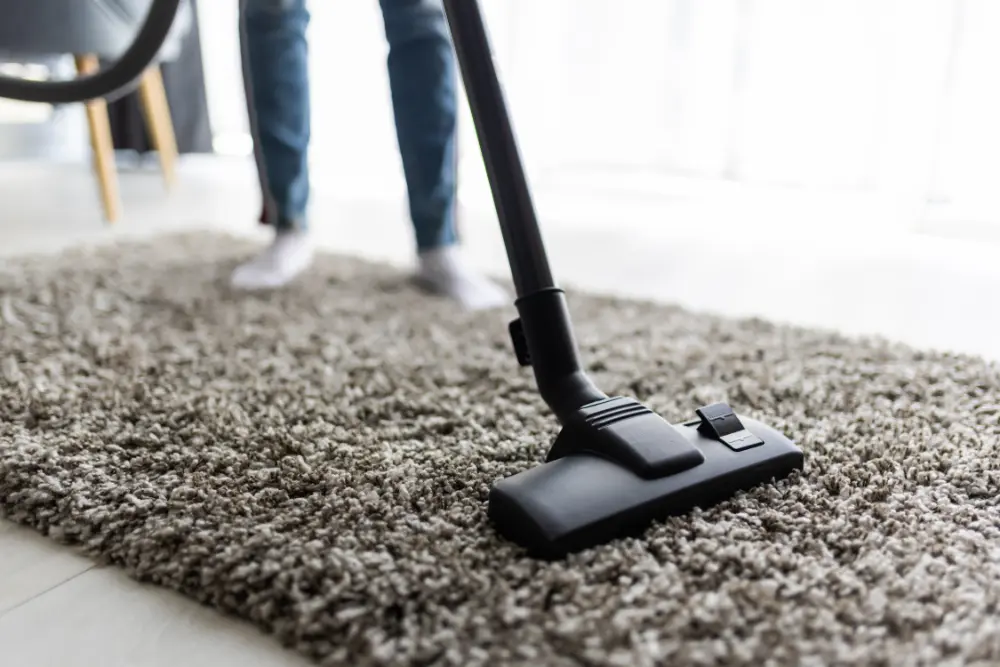
Vacuuming only removes what sits on top. Dirt, dust mites, and pet dander work their way down into the base of the weave where a household vacuum cannot reach, and left alone, it slowly breaks down the backing.
Professional Cleaning Restores Color and Extends Rug Life
A proper deep clean lifts out the dirt causing the dullness and restores the true color underneath. Rugs cleaned regularly last years longer than ones that only get vacuumed.
We Clean Every Rug Type, Including Wool & Oriental Rugs
Wool and Oriental rugs require a different cleaning method than synthetic carpet, since hot steam can damage natural fibers and unstable dyes. We built our process specifically around these materials, so homeowners do not need to search separately for a rug specialist.
Wool Rug Cleaning, Cold Water & pH Balanced Process
Wool fibers have a natural protective coating of lanolin that keeps them soft and resilient. Hot water and high alkaline cleaners strip that coating away, which is why most wool rug manufacturers recommend a low alkaline, pH-balanced solution close to neutral instead of standard carpet shampoo. We test a hidden corner of the rug for colorfastness before applying any solution, then use cool or lukewarm water with gentle agitation so the wash does not felt or mat the fibers. Wool also absorbs and holds onto moisture longer than synthetic fiber, so drying is controlled and gradual to prevent mildew from developing at the base of the weave.
Oriental & Persian Rug Cleaning
Oriental and Persian rugs are usually hand-knotted from wool or silk, often with vegetable or aniline dyes that can bleed or shift color under heat and harsh chemicals. Before cleaning, we run a dye stability test on a small, hidden section to see how the colors react. Depending on the rug’s age, weave density, and dye type, we hand wash using a gentler process rather than running it through a machine built for synthetic carpet. Older or antique pieces may need extra care around worn areas where the foundation threads have thinned over time.
Silk Rug Cleaning
Silk fibers are delicate and can be damaged by high heat or aggressive scrubbing. We use light agitation and slow, controlled drying to protect the sheen and structure of silk rugs.
Synthetic Fiber Rugs, Nylon, Polyester & Olefin
Synthetic fibers like nylon, polyester, and olefin are manufactured to resist moisture and hold their shape under heat, which is why most manufacturers approve hot water extraction for these materials. The higher water temperature and stronger suction lift embedded dirt and ground-in stains from deep in the pile without the felting or dye instability risk that natural fibers carry. Method selection still depends on backing type and weave density, since a densely woven synthetic rug and a looser flatweave respond differently to the same extraction pressure.
What Are Efficient Cleaning Solutions for Wool Rugs and Carpets?
Wool needs a low-alkaline, pH-balanced solution. Standard carpet shampoo can strip the natural oils in wool fibers and cause damage over time. Cool or lukewarm water extraction with gentle agitation and controlled drying protects the texture and prevents shrinking or color bleeding.
What’s the Best Way to Remove Pet Vomit from Wool Rugs?
Blot the spot right away; do not rub it. Rubbing pushes the mess deeper into the wool fibers. Scrape off any solid residue first, then blot with a mild, pH-neutral cleaner made for wool. Skip ammonia or vinegar-based home remedies, since wool fibers react poorly to strong acids and can discolor.
Expert Handling for Every Rug
A wool rug and a machine-made synthetic rug do not just look different; they behave differently when water and a cleaning solution touch them, which is why treating every rug the same way is where most damage occurs.
Identifying Fiber Type Before We Start
We start by determining what the rug is actually made from and how it was constructed, hand knotted, hand tufted, or machine woven. This single step decides almost everything that follows, from water temperature to how much agitation the fibers can safely handle.
Custom Cleaning Plan for Every Rug
Fiber type and current condition together shape the plan. A rug with heavy wear near the edges gets handled differently than one with even wear throughout, and a rug with unstable dye gets a different water temperature entirely than one that tested stable.
Fringe, Edge & Embroidery Safe Handling
Fringe is usually cotton or wool and tends to mat and discolor faster than the body of the rug. We clean fringe separately by hand rather than running it through the same process as the main field, which keeps threads from pulling loose or tangling.
Our Area Rug Cleaning Process
Every rug goes through the same five-step process before it comes back to your home.
Step 1, Rug Inspection & Fiber Identification
We inspect the rug for fiber type, existing damage, colorfastness, and problem stains before any cleaning solution touches it.
Step 2, Dust & Dry Soil Removal
Dry soil makes up most of what is actually trapped in a rug. We remove it first so the cleaning solution can work on the dirt that is left, not fight through a layer of loose grit.
Step 3: Hand Washing & Deep Cleaning
Problem stains get a targeted pretreatment first, matched to what caused the stain and the fiber underneath, before the rug goes through the main wash. Once we know the fiber type, we choose between hand washing and machine extraction, not the other way around. Delicate weaves and natural fibers are washed by hand so we can control pressure and water exposure directly, while sturdier synthetic rugs can handle a deeper extraction process that pulls embedded dirt out from the base of the pile.
Step 4: Controlled Drying
Drying is where a lot of rug damage actually happens if it is rushed. We dry rugs flat, not folded or hung, to keep the weave from stretching out of shape while it is still wet and vulnerable. Wool and silk hold moisture longer than synthetic fiber, so we adjust airflow and drying time by material to avoid mildew forming in the base of the weave or color slowly bleeding between dyed sections.
Step 5, Final Inspection Before Return
Before the rug goes back to your home, we check color, texture, and fringe condition to confirm it meets our standard.
Pickup & Delivery Options
Not every rug gets its best results cleaned in place. A controlled facility environment matters more for delicate fibers than most people realize.
In-Home Rug Cleaning
For rugs that are difficult to move, built into a larger room layout, or simply too large to transport easily, we clean on site using the same fiber-specific process we use in the shop.
Pickup & Drop Off Service Available
Wool, silk, and Oriental rugs generally do better with an off-site clean, since our facility gives us steady temperature and airflow control that a living room floor cannot offer. We pick up the rug, clean and dry it under those controlled conditions, and deliver it back once it has fully dried, which lowers the risk of mildew or uneven drying that can happen when a delicate rug dries slowly at home.
Rug Restoration & Repair
Cleaning is not always enough on its own, especially for older or heavily used rugs.
Fringe Repair & Reweaving
Frayed or damaged fringe can be repaired or rewoven so the rug keeps its original look instead of continuing to unravel.
Odor & Pet Stain Removal From Area Rugs
Pet accidents on a rug soak into the fibers and backing, not just the surface. We treat the full depth of the stain rather than covering it with fragrance, which gives odor the best chance of not returning once the rug is fully dry. Older or heavily saturated stains that have soaked into the padding underneath may need more than one treatment to fully resolve.
Rug Padding Replacement
Old, flattened, or damaged rug padding no longer protects your floor or supports the rug properly. We replace padding as part of a full rug refresh when needed.
Keep Your Rug Looking New Between Cleanings
A professional cleaning lasts longer when the rug gets a little care in between visits.
How Often Should Area Rugs Be Professionally Cleaned?
Most area rugs benefit from professional cleaning once a year. High-traffic rugs in entryways or living rooms, or homes with pets, often do better on a six-month schedule.
Common Mistakes to Avoid When Cleaning Rugs and Carpets
The biggest ones are over-wetting the rug, which leads to mold and slow drying, rubbing stains instead of blotting them, using the wrong cleaner for the fiber type, and waiting until a rug already looks visibly dirty before calling a professional.
What Green Bay Customers Are Saying About Our Rug Cleaning
Frequently Asked Questions
Here are answers to the questions we hear most before someone books a rug cleaning.
Call us at: +1 (920) 504-7909
Address: 1836 Sal St Green Bay, WI 54302
Your family-owned carpet cleaning team in Green Bay.
Call us: +1 (920) 504-7909
1836 Sal St Green Bay, WI 54302
info@carpetcleaninggreenbay.com
Navigate
Areas We Serve
Serving Green Bay, WI 54302
Copyright © 2026 Carpet Cleaning Green Bay. All rights reserved.